
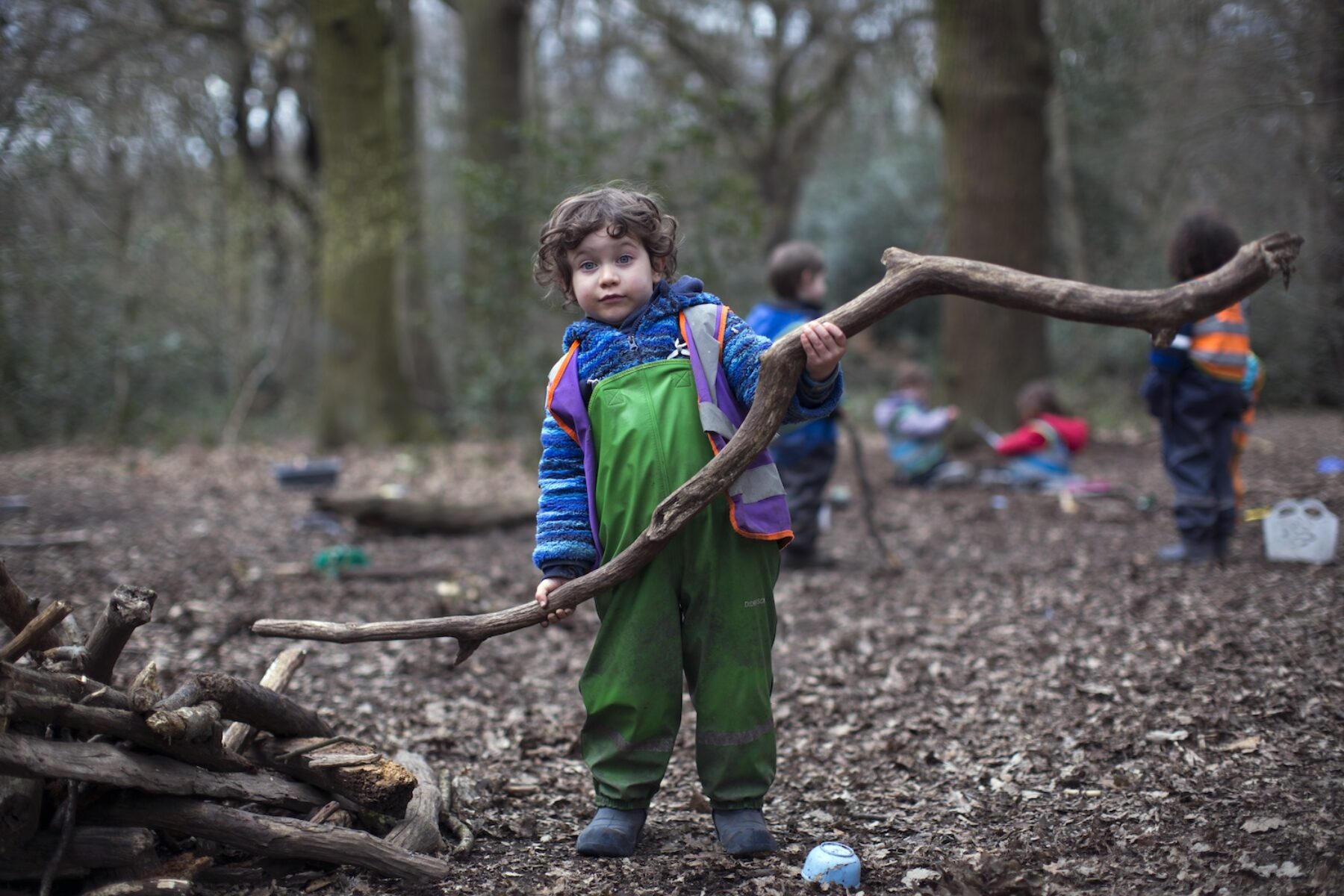
Playgarden are experts at the design and build of Forest School Areas, Allotment Areas and Wildlife Spaces. Our use of Landscape Architects to develop all our designs mean that we have the expertise to ensure that nature can flourish and your children thrive.
Playgarden recognises the value of Forest School within a school environment, supporting the curriculum, wellbeing and outdoor learning. We have put together five adaptable Forest School activities suitable for primary age children
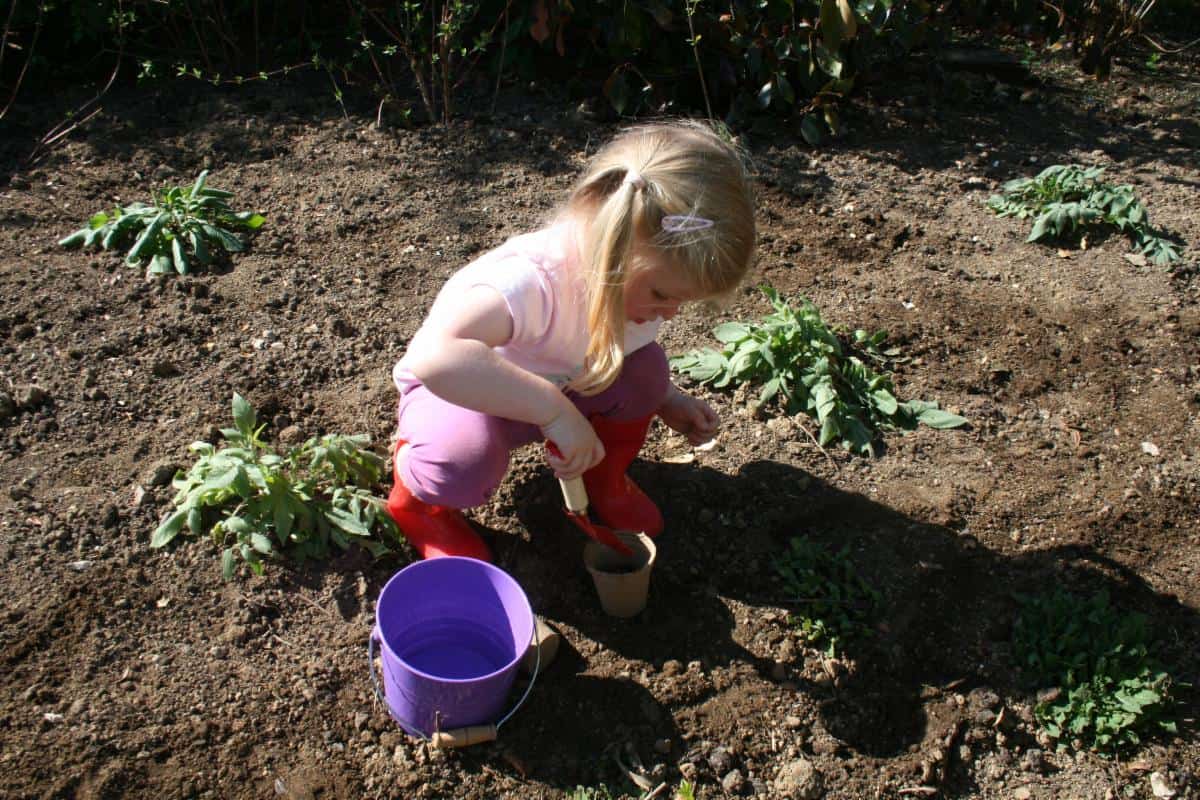
1. Plant a Seed
This activity supports understanding of seasonal change, life cycles, and environmental stewardship, while fostering responsibility and long-term engagement.
• Ages 3–5: Plant large, easy-to-handle seeds such as beans or sunflowers. Emphasise the sensory experience of planting and caring for a living thing.
• Ages 5–11: Explore a variety of seeds and introduce basic plant life cycles. Encourage children to document changes through drawings, notes, or a nature journal.
Impact: Encourages patience, responsibility, and scientific enquiry.

2. Birdwatching and Habitat Awareness
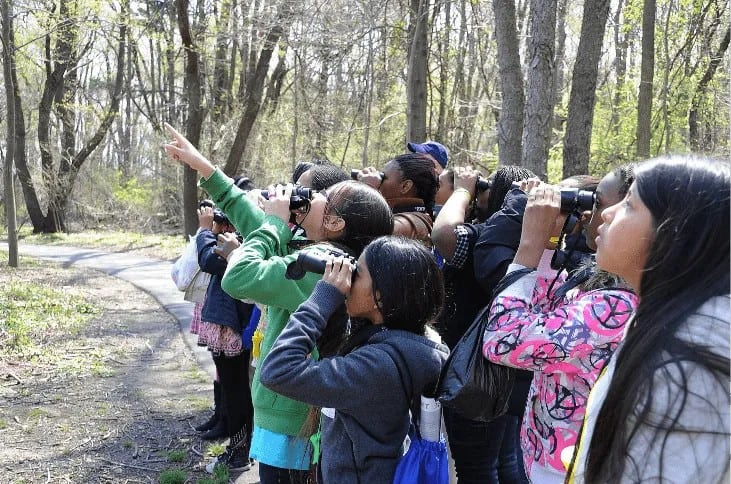
Birdwatching develops observation skills, concentration, and environmental awareness, while introducing ecological concepts.
• Ages 3–5: Create simple bird feeders using natural or recycled materials (e.g. pine cones, seed mixes). Focus on recognising common birds through sight and sound using visual aids.
• Ages 5–11: Use binoculars and field guides to observe birds more closely. Encourage discussion around behaviour, habitats, and migration, and look for signs of nesting activity.
Impact: Builds focus, curiosity, and understanding of biodiversity.

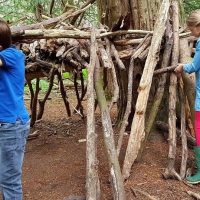
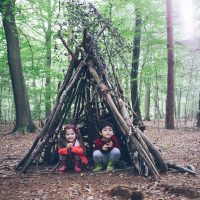
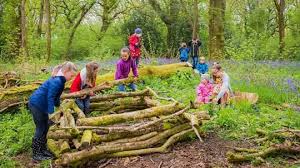
3. Den Building and Outdoor Construction
Den building promotes creativity, collaboration, and problem-solving, aligning with design and technology and PSHE outcomes. It feels like this one is mandatory on every forest school list but only because it is so rich in learning through play.
• Ages 3–5: Provide simple materials such as branches, tarps, or blankets. Focus on cooperative play and imaginative exploration.• Ages 5–11: Introduce more complex construction techniques using rope and natural materials. Encourage children to plan, design, and adapt their structures as challenges arise.
Impact: Strengthens communication, resilience, and practical problem-solving skills.
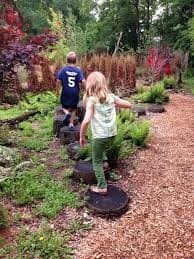
4. Forest Obstacle Course
A flexible activity that supports physical development, coordination, and risk assessment in a managed outdoor environment.
• Ages 3–5: Set up simple challenges such as stepping stones, balance logs, or small climbs. Focus on developing coordination and confidence.
• Ages 5–11: Co-create more complex courses with varied elements such as balance beams, rope swings, or climbing structures. Encourage teamwork, problem-solving, and safe risk-taking.
Impact: Enhances physical literacy, confidence, and resilience.
5. Outdoor Learning Through Shared Mealtimes (“Forest Feast”)
Eating out in nature can be very relaxing and invigorating. While we eat our human foods we can talk about what we think all the different animals who live in the forest eat for their lunches and breakfasts.
• Ages 3–5: Enjoy a simple picnic with familiar foods. Encourage social interaction and conversation about the natural surroundings.
• Ages 5–11: Involve children in planning and preparing food in the outdoor environment. This can inspire creativity and discussions about sustainability, wildlife diets, and seasonal foods.
Impact: Supports wellbeing, communication, and community building.

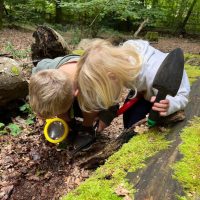
Why Forest School?
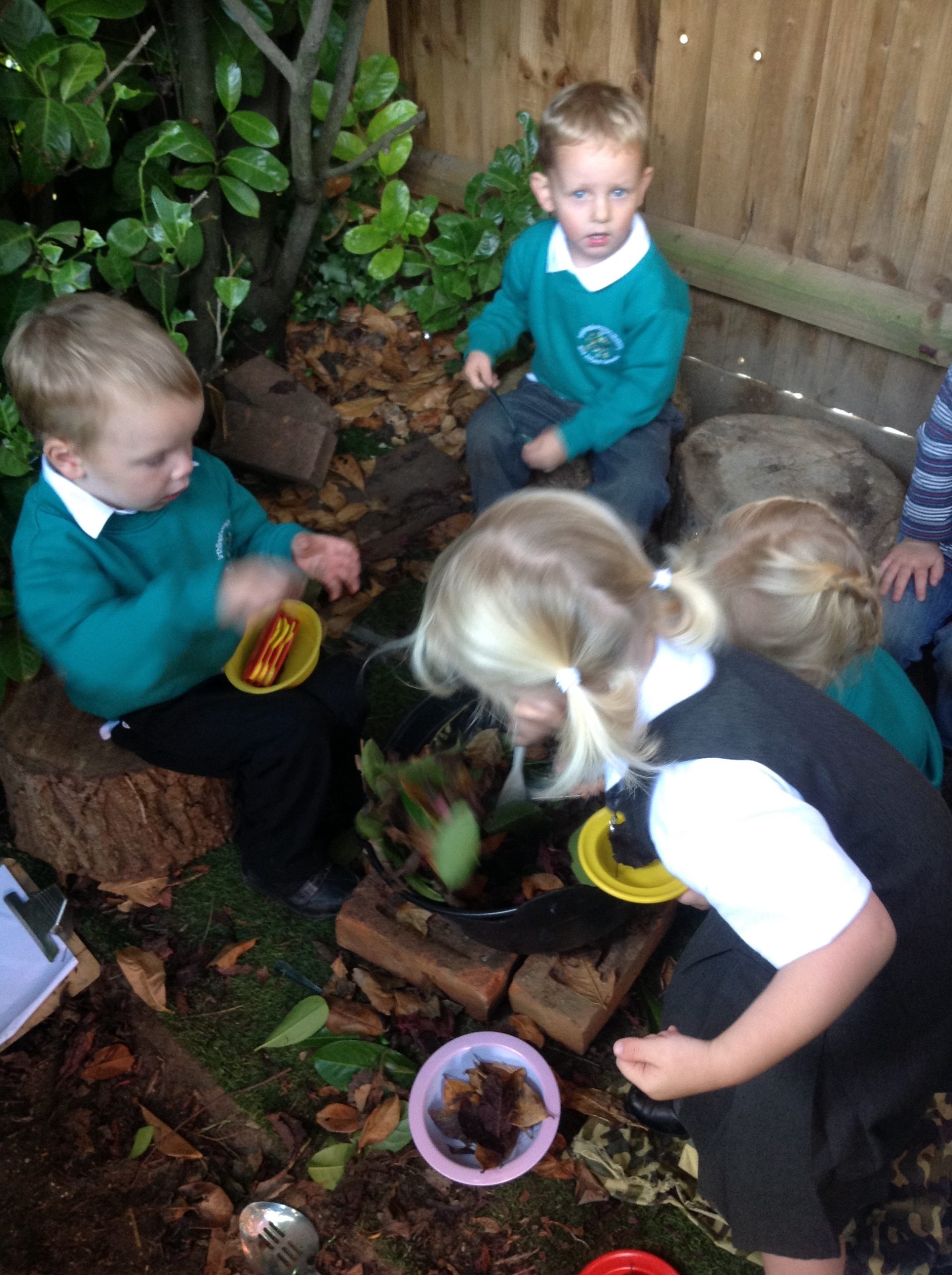
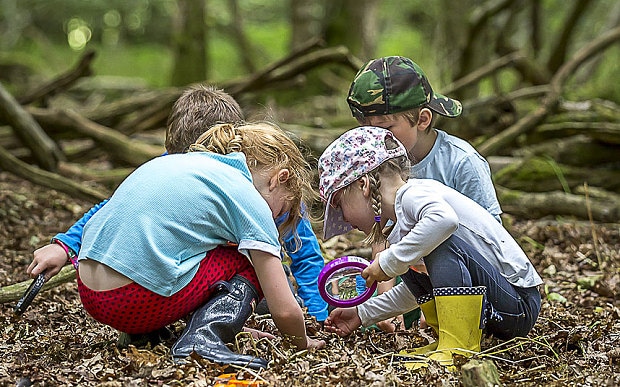
Forest School is a unique way of promoting learning in children. It focuses on creating a positive learning environment, tailored to suit a child’s needs, and learning styles that maximise the emotional, social and developmental benefits of education that helps children build positive values about themselves, their learning and the environment.
Time is given to explore their thoughts, feelings and relationships and they are encouraged to understand, appreciate and care for the natural environment. Forest School provides opportunities to take risks, make choices, find new ways of working, initiate learning, develop practical skills and become confident and capable people.
Key experiences in Forest School
• Being fully immersed in nature.
• Observing changes and rhythms in nature, seasons, sound & weather.
• Enhancing physical ability through challenging surroundings, for example climbing over obstructions, uneven terrain, tree climbing etc.
• Being exposed to natural elements, promoting resilience, stamina and understanding of our own personal needs.
• Getting close to nature, gaining understanding of life cycles, habitat species of animals, plants & trees.
• Providing space to explore and encourage imaginative play, enhancing language and social skills.
• Developing a community of respect, for the environment, the world and each other.
• Providing opportunities to practice new skills, such as using tools, manipulating natural materials and developing life skills that they continue to grow and enhance throughout childhood.
• Providing ‘risk’ play, giving children the opportunity to assess their own earning & experiences.
To find out more about how Playgarden can assist with the development of your Forest School or outdoor area, call 0114 2821285 or email info@playgardens.co.uk